



Embracing Environmental Stewardship, Doing What It Takes

We aim to be a Net Zero company by 2030, with sustainability at our core. Grind Master commits to growing responsibly and aspiring to be an environmentally conscious corporate citizen. Sustainable and inclusive growth informs our efforts. Our CSR approach reflects our values of innovation, expertise, passion, and trust toward the planet and our communities. We strive to apply Absolute Engineering to CSR projects and create meaningful change in our environment.
Integrating Sustainability into Core Strategy
- Formation of a Sustainability Innovation Team (CFT) with monthly reviews
- Capacity building through regular training programs and active participation in sustainability-related activities
- Promoting sustainability in the manufacturing industry, particularly among machine tool builders, by sharing best practices via IMTMA forums
- Sustainability Mission



Embedding Sustainability in Operations
- Conducting annual energy and material audits
- Enhancing customer sustainability through Grind Master products
- Measuring ecosystem services, including aspects beyond CO2 and water
Eco-friendly Practices
We are all about walking the talk. In keeping with our mission of incorporating sustainable practices, here are some of the green credentials we are proud to have at our manufacturing facility:
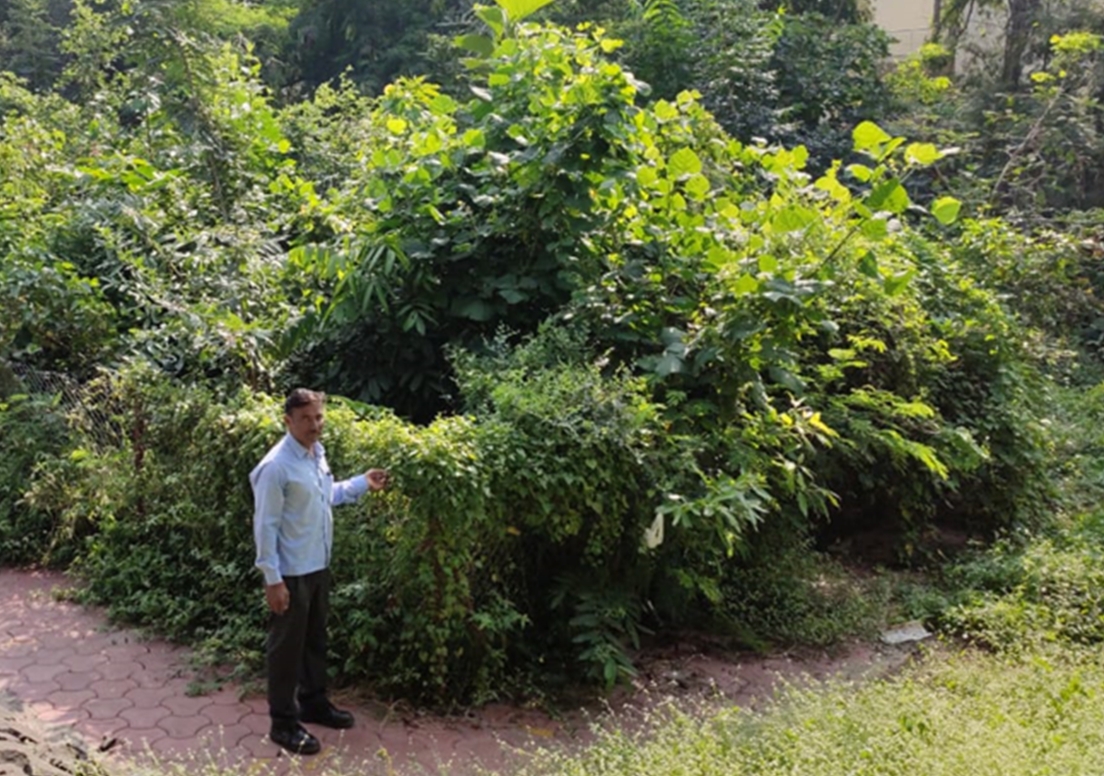
- Our premises boast 25,000+ native trees, which form the verdant cover of our campus and show our commitment to environmental sustainability.
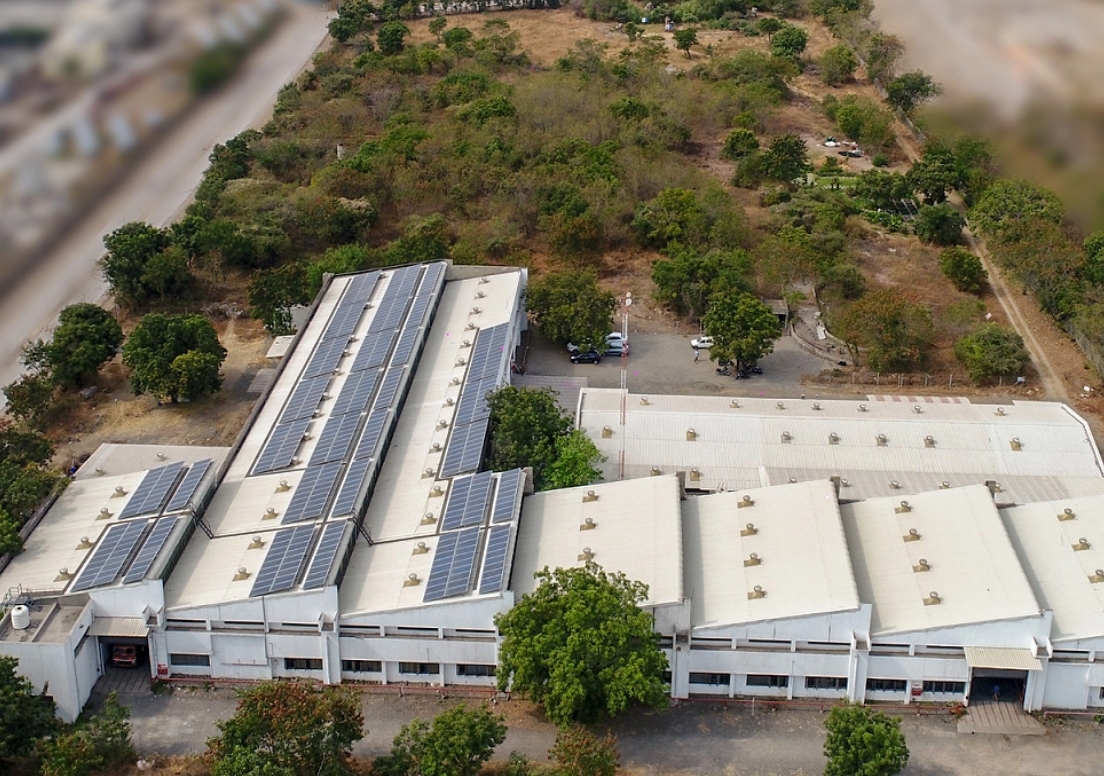
- Our solar roof generates over 50% of our electricity, reducing reliance on conventional energy.
- The eco-friendly sewage treatment plant produces water for gardening, optimizing water usage.
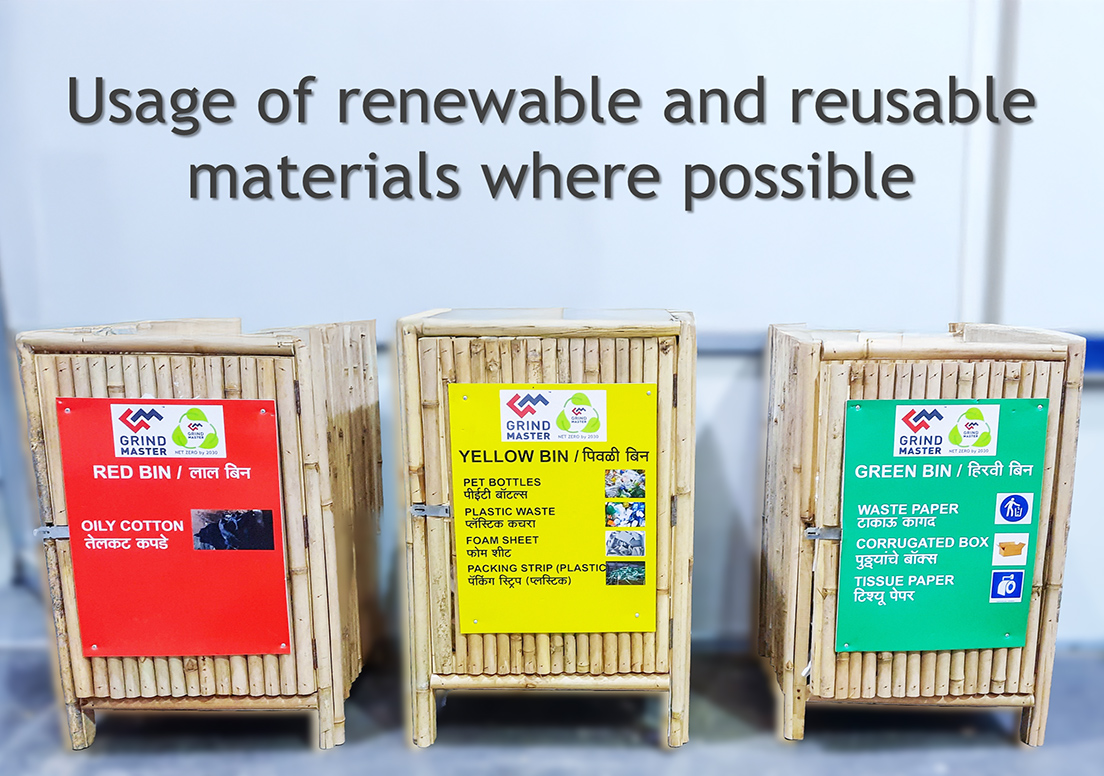
- We follow a reduce-reuse-recycle culture to minimize waste and reduce our environmental impact.

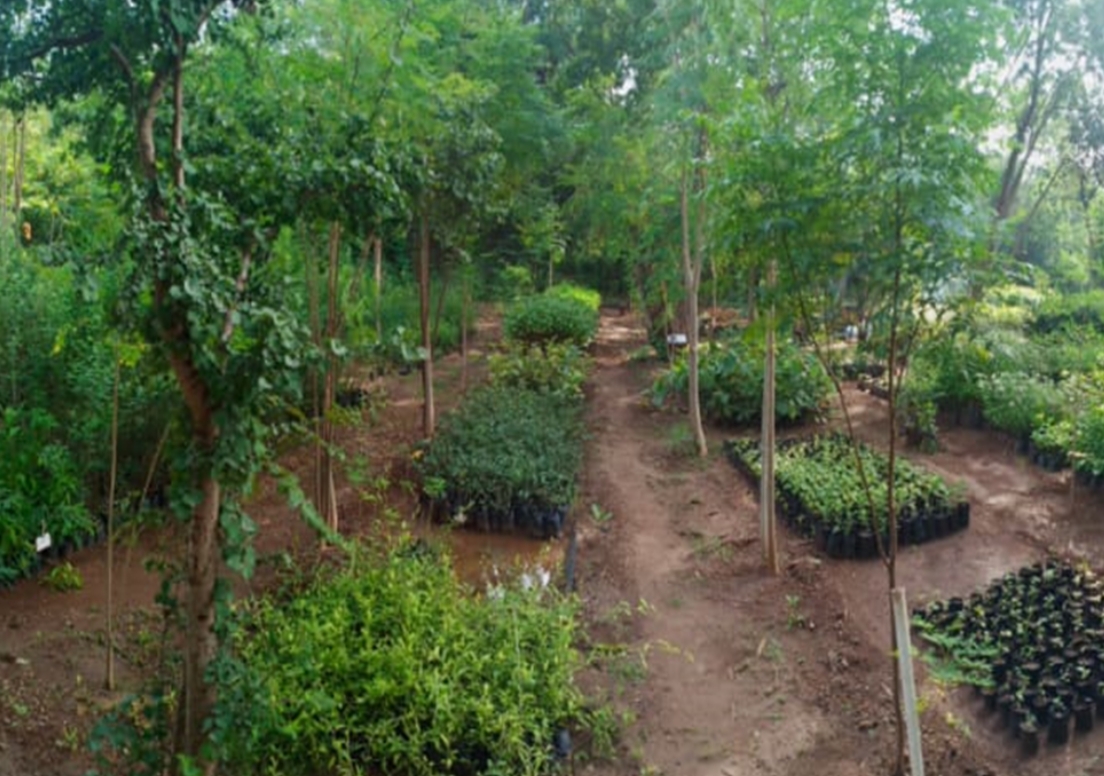
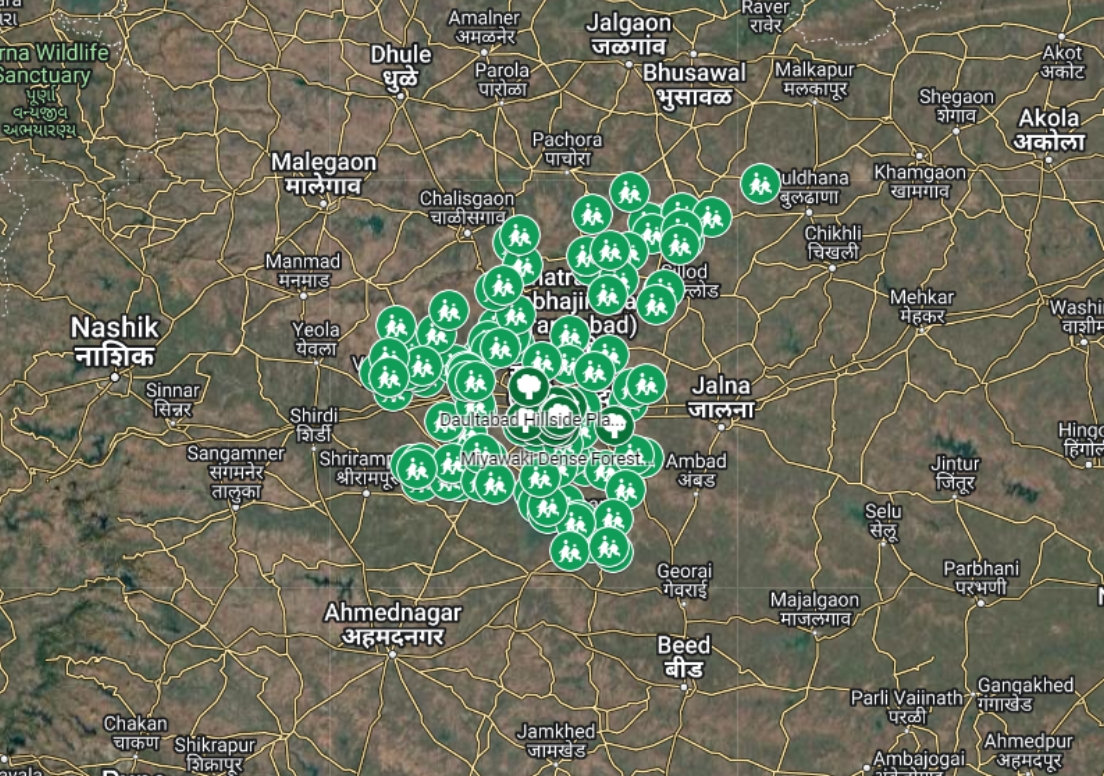
Afforestation
Grind Master leads efforts to increase green cover and promote environmental sustainability through afforestation and community-driven projects across the region.
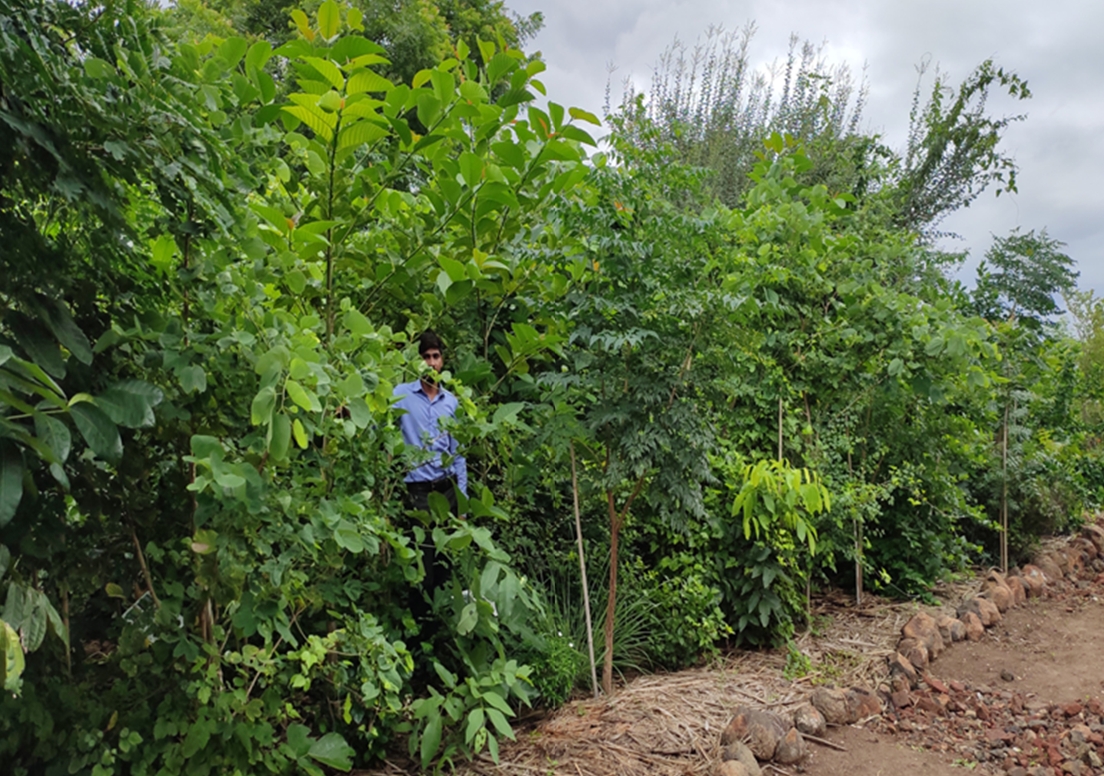
Through our Green Aurangabad Mission, Grind Master focuses on increasing green cover in the Marathwada region, currently at just 5%. We have planted and nurtured over 150,000 trees across 150+ dense forests using methods like Miyawaki Dense Forest and Eco Restoration, aiming for 1 million trees by 2030 with a nursery for native species.
The Green Schools Mission, in collaboration with Zilla Parishad and Ecosattva, targeted afforestation in 100 primary schools during 2020-2021. With over 90% success, the project involved teachers and students using dense forest techniques. Building on that success, Green Schools Mission 2.0 will cover 100 more schools by 2025.
Grind Master partners with government and professional organizations like Ecosattva, Jansahayog, Forest Department, and Maharashtra Police for afforestation efforts. Forests have been dedicated to customers like Bharat Forge, MVO Germany, Netalkar Group, Precision Camshafts, and Jacquar. Customers can contribute a sustainability fee, plant 1800 trees per Microfinishing Machine, and receive a GREEN certification.
Remanufacturing
Grind Master operates a structured product lifecycle process. A product begins its life cycle, operates as intended, and receives regular maintenance. When the product matures, it is replaced before failure and returned to us for disassembly, cleaning, and testing. We rebuild and upgrade the product at this stage, reusing over 60% of its materials. After testing, the refurbished product re-enters the supply chain with an extended life of 10-15 years.
Through this approach, Grind Master has completed over 15 projects, including major international ones, saving over 75 tonnes of material. By 2030, remanufacturing is expected to account for up to 20% of our revenue, supporting our focus on circularity and long-term value creation.


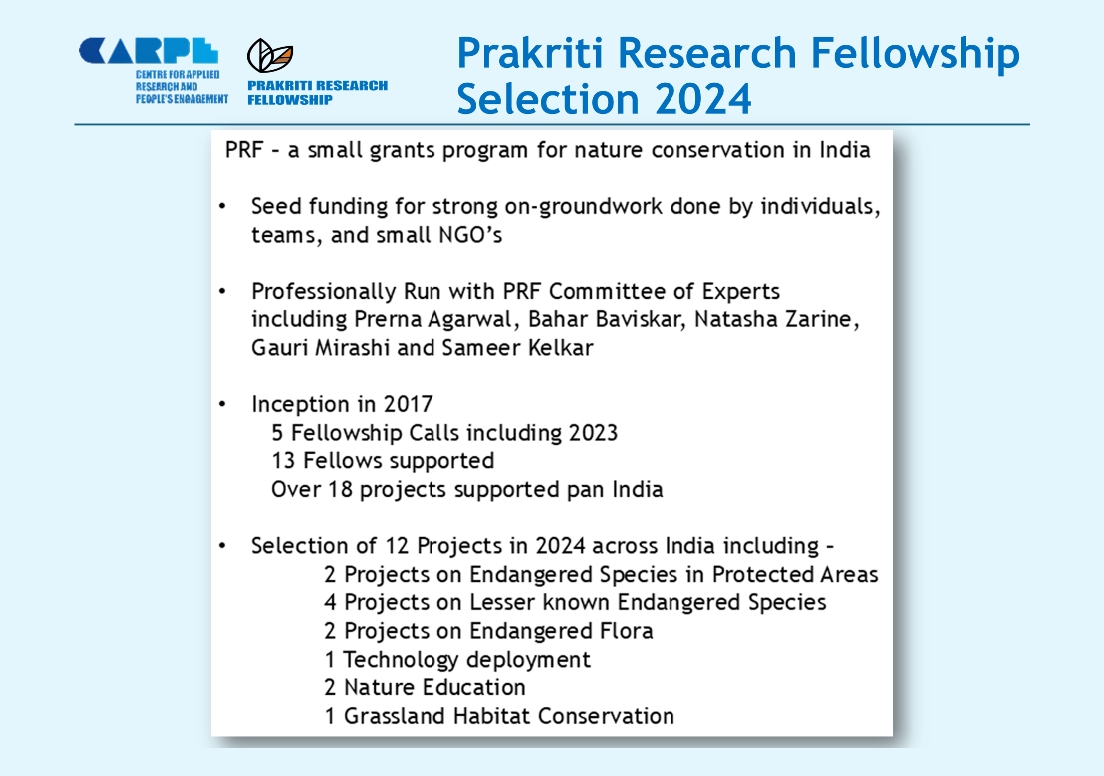
Prakriti Research Fellowship
The Prakriti Research Fellowship, launched by CARPE in collaboration with Grind Master Machines Pvt. Ltd., is a small grants program supporting nature conservation research and action in India. It offers seed money to individuals, teams, and small NGOs for projects that aim to create a direct and lasting impact on conservation efforts. Backed by various industry partners, the fellowship promotes strong, on-ground work to address critical environmental challenges.
The fellowship has supported numerous research and conservation projects, including the revival of flora species in Kashmir and Kerala and studies on key fauna like tigers, vultures, and pangolins. It has also explored lesser-known ecosystems, such as wetlands and rocky outcrops. Several NGOs have emerged from the fellowship, contributing to long-term conservation work, and many projects have gained international recognition through grants.


